Food, Sustainability, & Environment

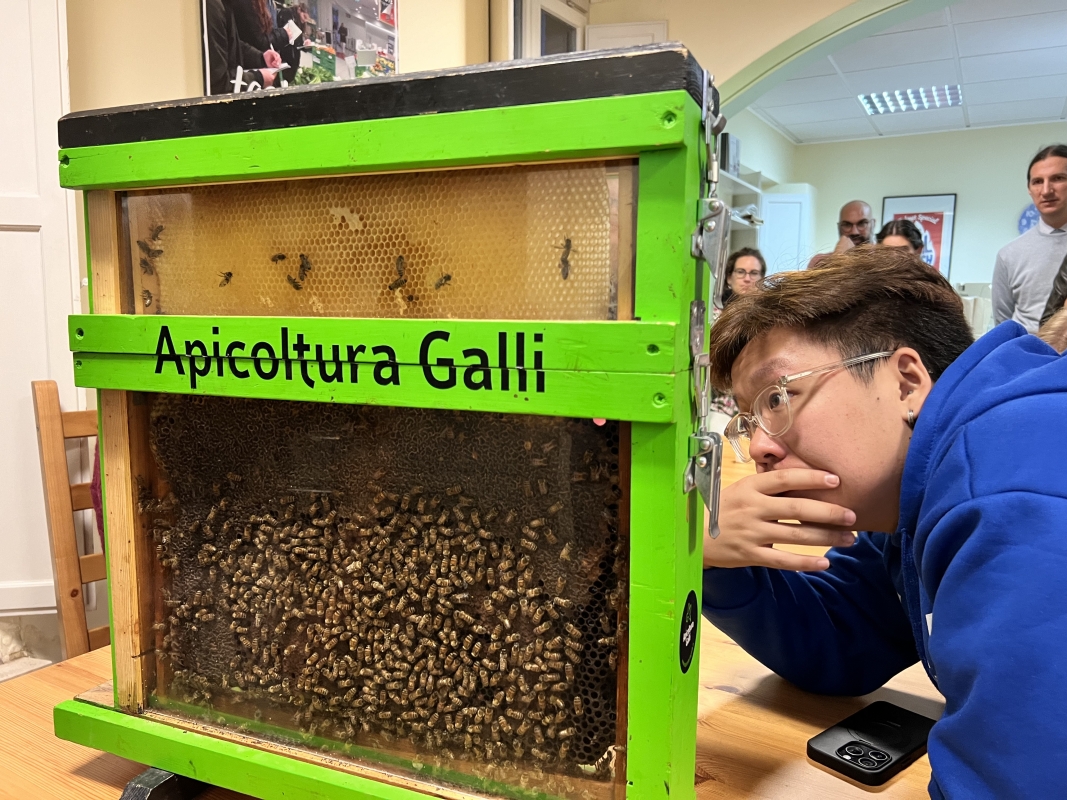
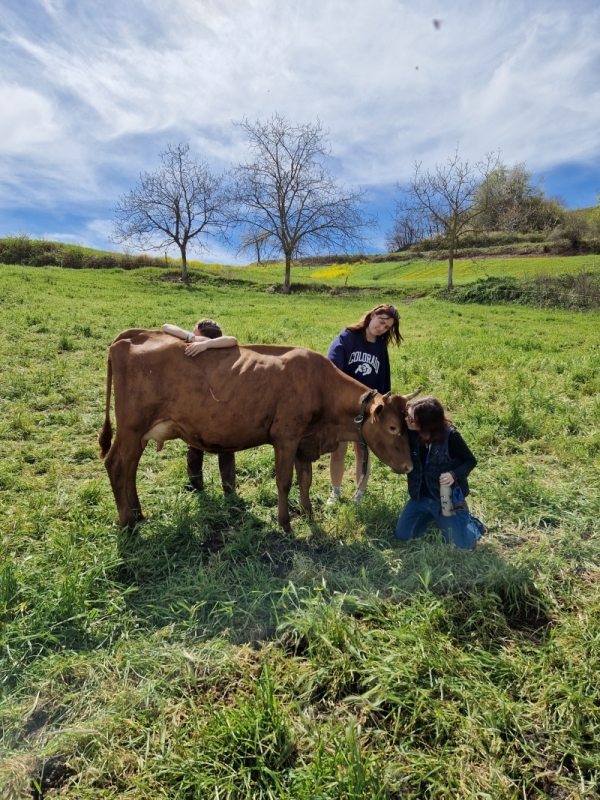
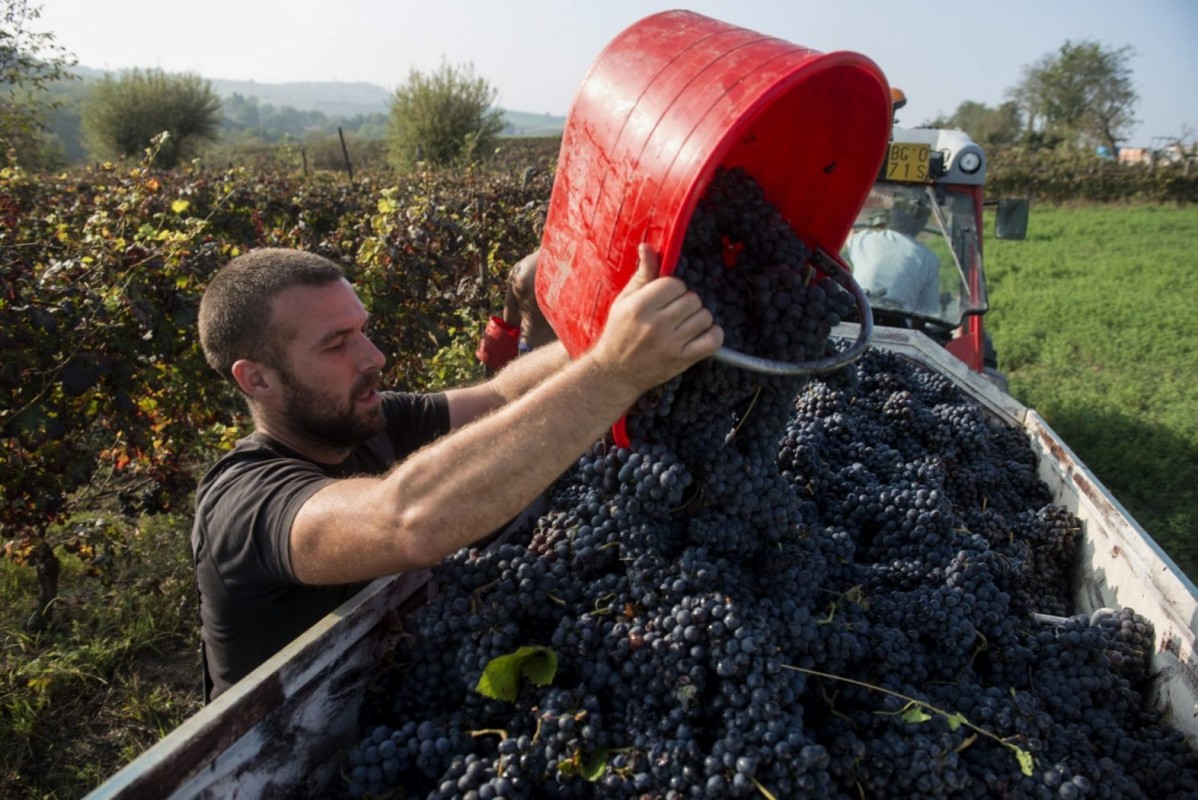
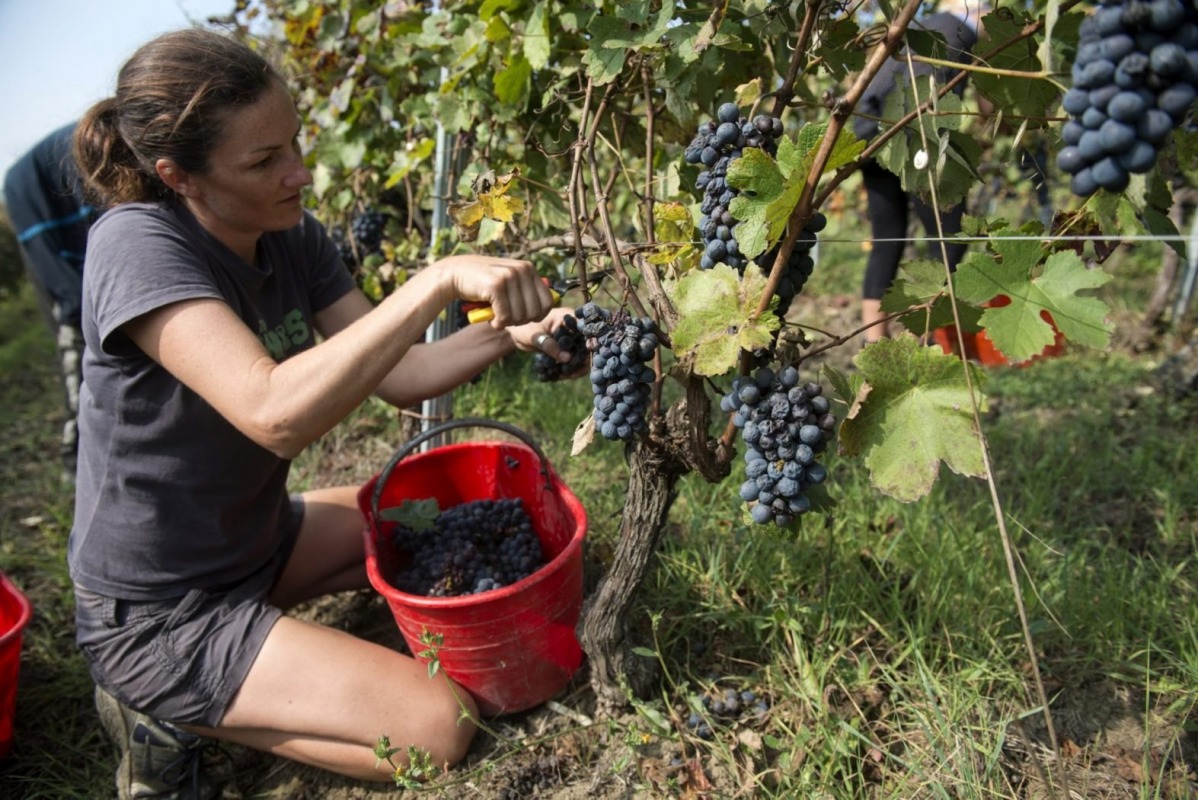
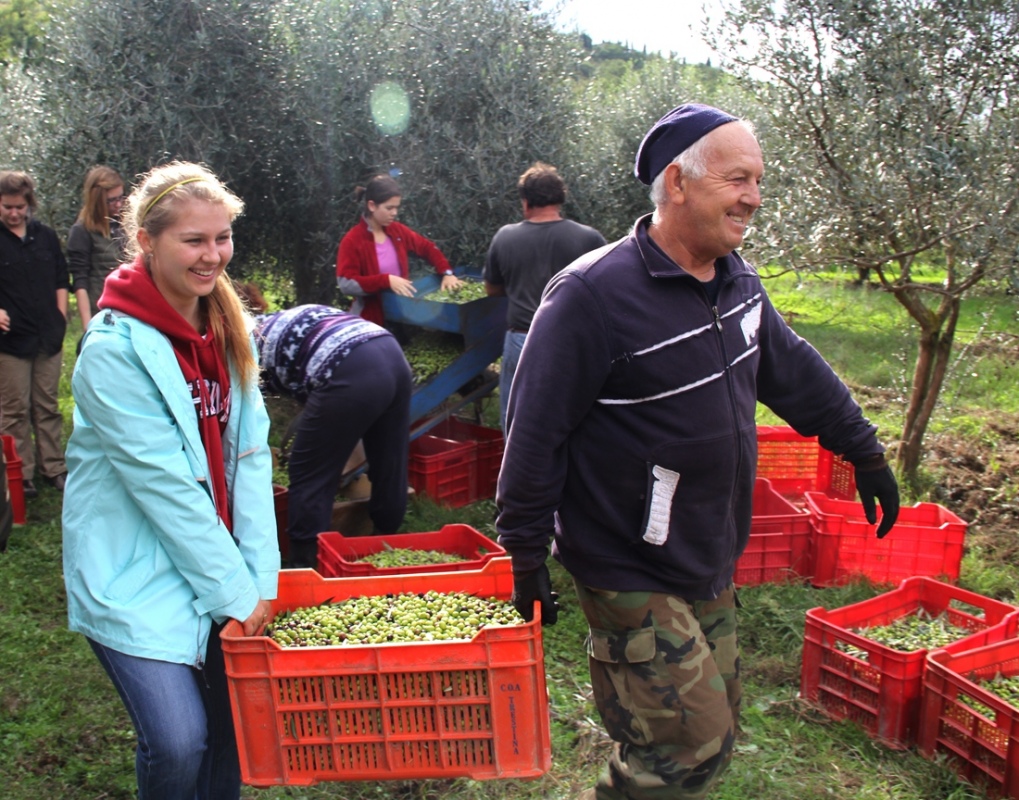
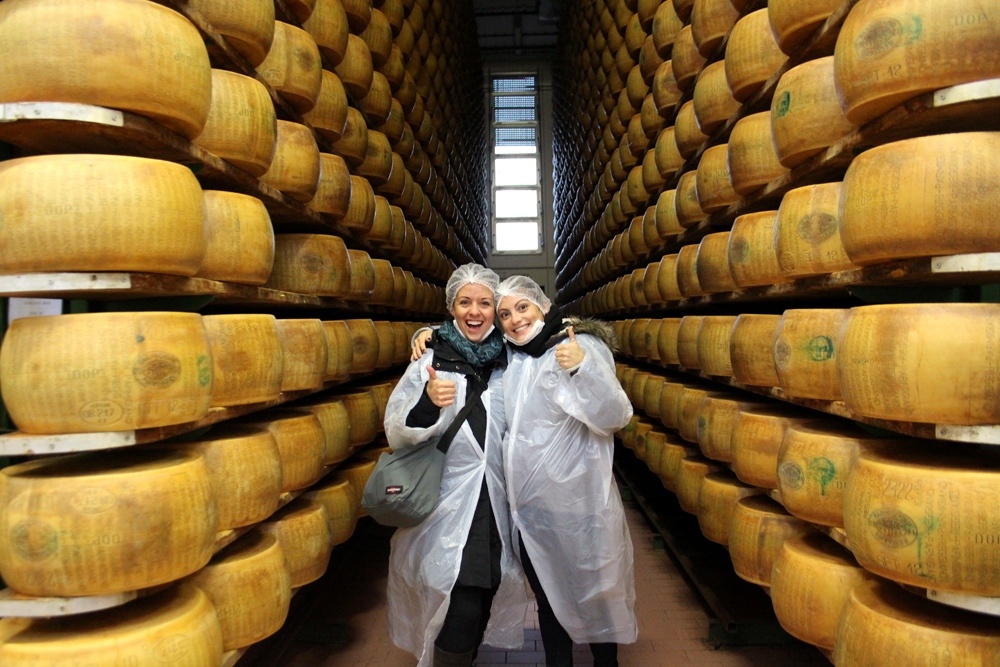
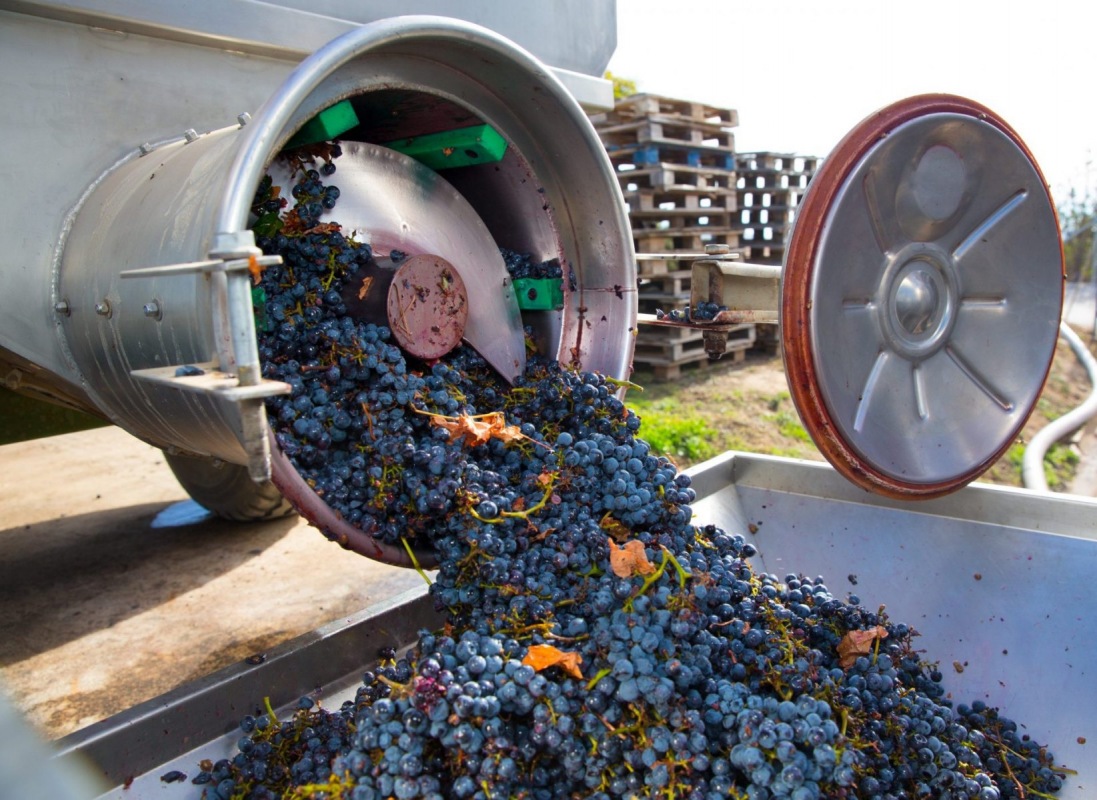
The program in Food, Sustainability, & Environment (FSE) at Umbra invites students and professors to participate in the study of food systems, sustainability and the environment. Whether enrolling in semester or summer courses, interning in a winery, or discovering the complexities of Italian food culture and environmental policy, FSE students develop a deeper understanding of global food systems, sustainability, and the environment.
The Program in Food, Sustainability, & Environment
The Program in Food, Sustainability, & Environment (FSE) offers a semester-long, interdisciplinary certificate program open to all students with an interest in food, sustainability, and the environment. It is particularly well-suited to those hoping to cultivate a career in the food or environmental industries or seeking to continue their education at the graduate level.
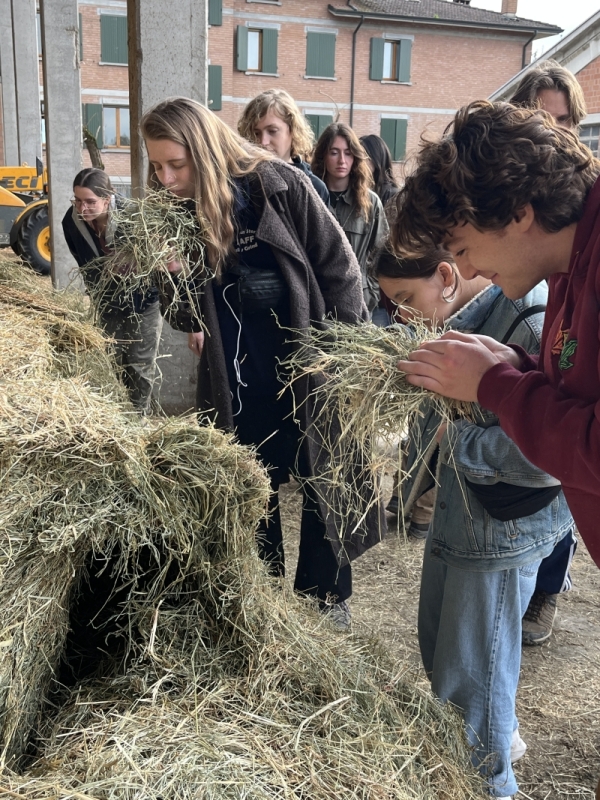
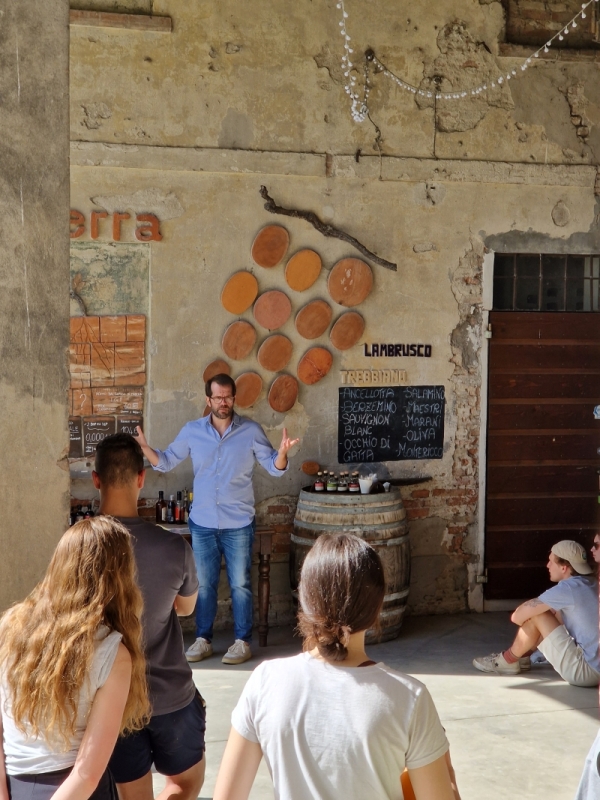
This program includes a series of co- and extracurricular activities that are an integral part of the curriculum; they include guest lectures, site visits, field trips, culinary activities, research projects, and other hands-on experiences. These activities allow students to directly observe the concepts studied in the classroom and analyze issues surrounding food, sustainability, and the environment in an Italian and global context from varied perspectives.
Certificate Program Curriculum
Students who successfully complete the program receive a Certificate in Food, Sustainability & Environment from the Umbra Institute. To earn the certificate, participants must:
- Complete the 1-credit core course (FSST/ENV/SUST 300: Experiencing Sustainable Italian Foodways)
- Choose at least three electives (10 credits total) from the list below
- Take the required 4-credit Italian language course (offered in addition to the FSE curriculum)
Altogether, students finish the semester with 14 credits.
Students interested both in the FSE and an independent research project may combine the FSE and Scholars Program curricula to create their own academic path. This option has limited availability so it is important that all interested students contact their ISI Abroad – Umbra Institute admissions advisor early to begin planning for their semester abroad. All independent studies or research projects must be approved at least four months beforehand by the Umbra Director and the FSE Chair; this process begins with a completed proposal form.
Many students have received credit for their major for their FSE coursework. Contact the ISI Abroad office or the Director of The Umbra Institute, Zachary Nowak ([email protected]) for more information. For those students interested in possible graduate work: part of the program’s co-curricular offerings is an optional workshop “How To Get Into Grad School.”
COURSES in FOOD, SUSTAINABILITY, & the ENVIRONMENT
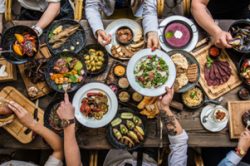
ANTH/FSST/SOC 375: Anthropology of Food and Eating: Understanding Self and Others
Read More
BUS/COMM/FSST 355: Digital Marketing: Wine and Wineries of Central Italy
Read More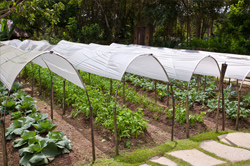
ENV/SUST/FSST 330: Sustainable Food Systems in Italy – Local Traditions and Global Transformations
Read More
BUS/SUST/ENV 340: Global Sustainable Business
Read More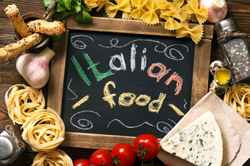
FSST/HIST/SOC 350: The History and Culture of Food in Italy
Read More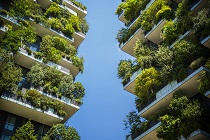
ENV/SUST/GEOG 355 – Green Cities: A Sustainable Future
Read More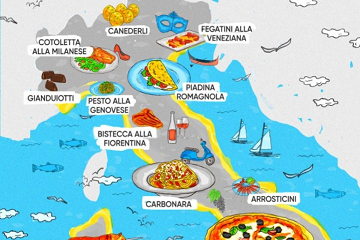
FSST/ENV/SUST 300: Experiencing Sustainable Italian Foodways (FSE Core Course)
Read More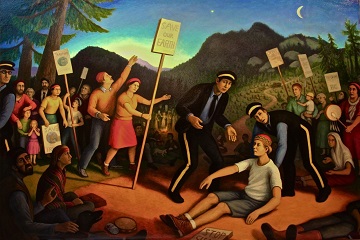
ARTH/ENV/PSCI 375 Green Art: The Aesthetics, Ethics, and Politics of Creativity in Today’s World
Read More
COMM/JOUR/FSST 345: Communicating Taste – The Media and Journalism of Food & Wine
Read More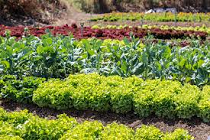
ENV/PSCI/FSST 370: Food & Environmental Policy in Italy & Europe
Read More
ENV/REL 345: Spiritual Ecologies
Read More
ENV/PUBH/PSCI 320: Water Resources: Environment, Society, and Power
Read More
ANTH/ENV/GEOG 362: Environmental Anthropology
Read More
Institutional Research

While teaching is central to the Institute’s mission, research serves both didactic and professional goals. Recent faculty research has included a a chapter on female winemakers in Italy, an edited collection on representations of Italian food, and an analysis of the Italian agro-alimentary market for Chinese companies. Current projects include a monograph on Italian women vintners making natural wine and an article exploring Umbrian food traditions invented after the Second World War. This research not only keeps the faculty actively involved with academic discussions on food and the environment but also provides readings for courses and opportunities for students to engage in faculty projects.
The Institute also promotes student research through faculty-led independent study projects or the more intensive semester-long Scholars Program. A recent student project on the Italian aversion to taking food home from restaurants led to a three-year-long community engagement project with the City of Perugia known as RepEAT, designed to promote doggie bags in the city’s restaurants. Students have also presented their research several times at both the biennial food conference and the Association for the Study of Food & Society. Two FSE students have won awards for their research in Perugia from the Society for the Anthropology of Food and Nutrition and the Forum on International Education.
Program Goals
These program goals are the outcome of a rigorous process undertaken by the FSE program faculty, involving systematic reflection on the program as a whole, grounded in their individual courses and disciplinary perspectives on the subject.
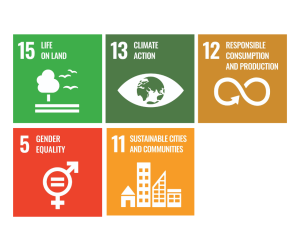
Furthermore, the formulation of the Program Goals was guided by and aligned with the principles of the United Nations Sustainable Development Goals (UN SDGs).
All students completing the program in Food, Sustainability, & the Environment will:
- Study various natural and human systems from a combination of different perspectives (historical, anthropological, ecological, aesthetic, religious, political, legal, economic, marketing, and gender), framing them within a solid theoretical framework.
- Apply academic and critical thinking skills to understand how these natural and human systems are impacted by local, national, and international politics and economies.
- Recognize the global interconnectedness of these systems, while also understanding their unique histories and current trajectories in Italy.
- Evaluate the concept of sustainability–whether environmental, economic, and social– as it is applied to local food systems, mission-driven businesses, and other ecosystems by diverse actors.
- Engage in community-based projects and co-curricular field experiences involving local producers, entrepreneurs, and primary stakeholders, that connect classroom learning to real-world problem-solving.
- Identify possible responses within these human and natural systems to the challenges of the future, including climate change and other forms of environmental degradation; environmental and food disparities because of race, gender, and ethnicity; and food insecurity.
- Understand how to leverage the skills learned in the classroom and through hands-on experiences during the semester as students pursue graduate study and/or seek to advance their career goals.
Our Didactic Kitchen
The Institute’s didactic kitchen, located in the Institute, is the ideal venue to explore food chemistry as well as to provide students with hands-on, non-credit-bearing activities that complement their classroom studies. Click here to learn more about what can be discovered through Umbra’s co- and extra-curricular cooking and tasting activities.
Field Trip & Excursions
At the heart of the Food, Sustainability & Environment (FSE) Program is the Core Course, a one-credit experiential component that takes learning beyond the classroom. Through shared experiences, students connect academic concepts to real-world sustainability practices in Italy.
Each semester offers a different mix of activities, which often include:
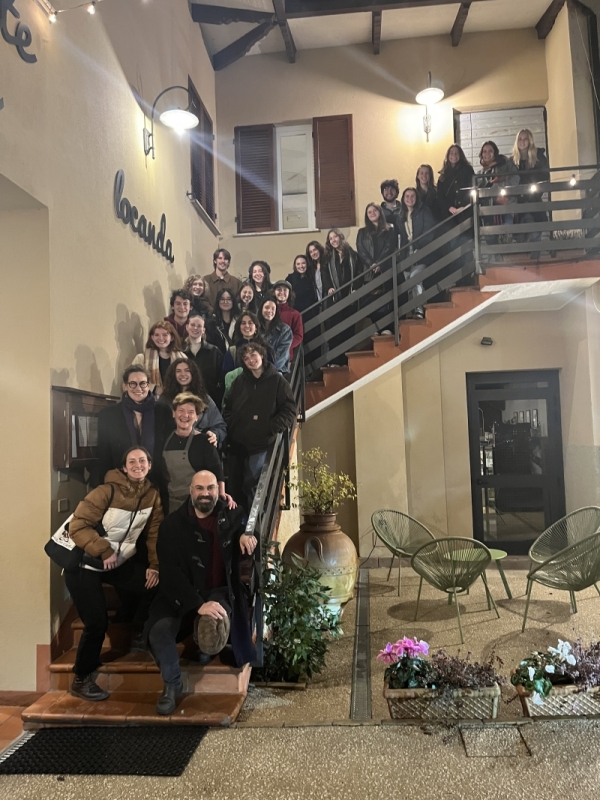
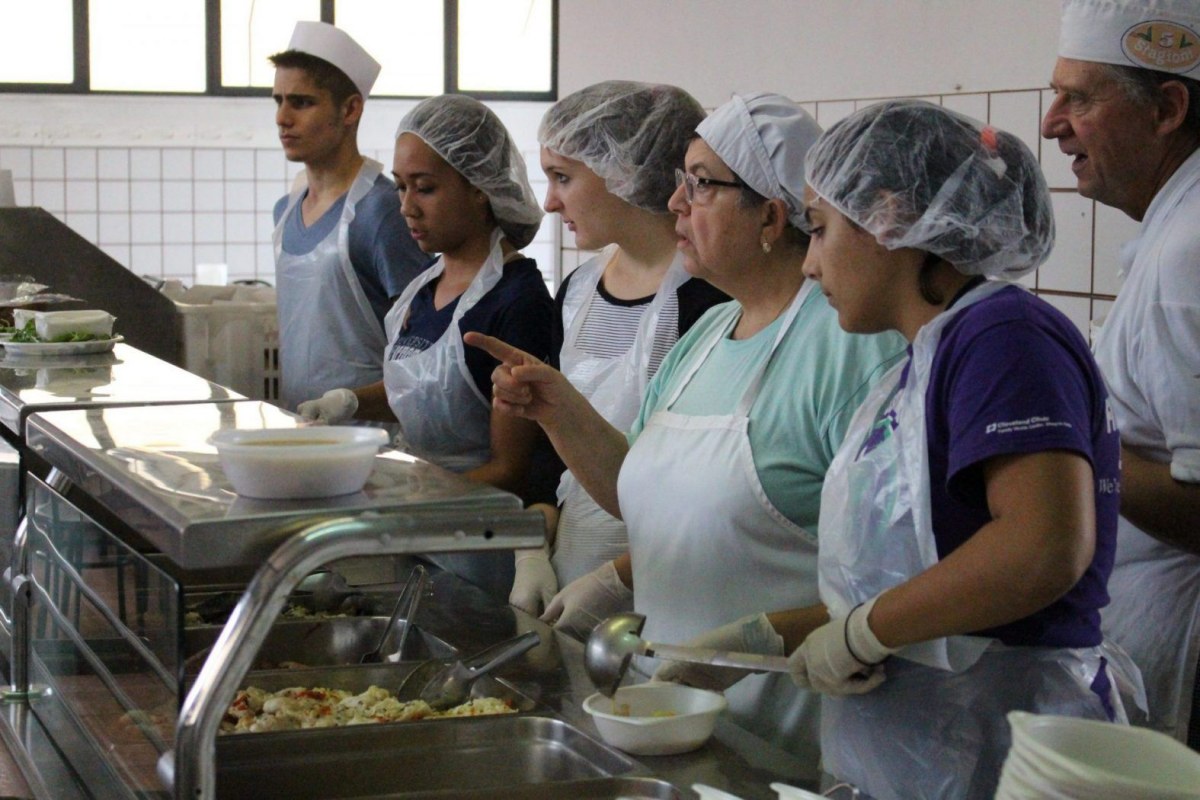
Welcome Dinner – Meet instructors, peers, and local cuisine in an evening of conversation and community.
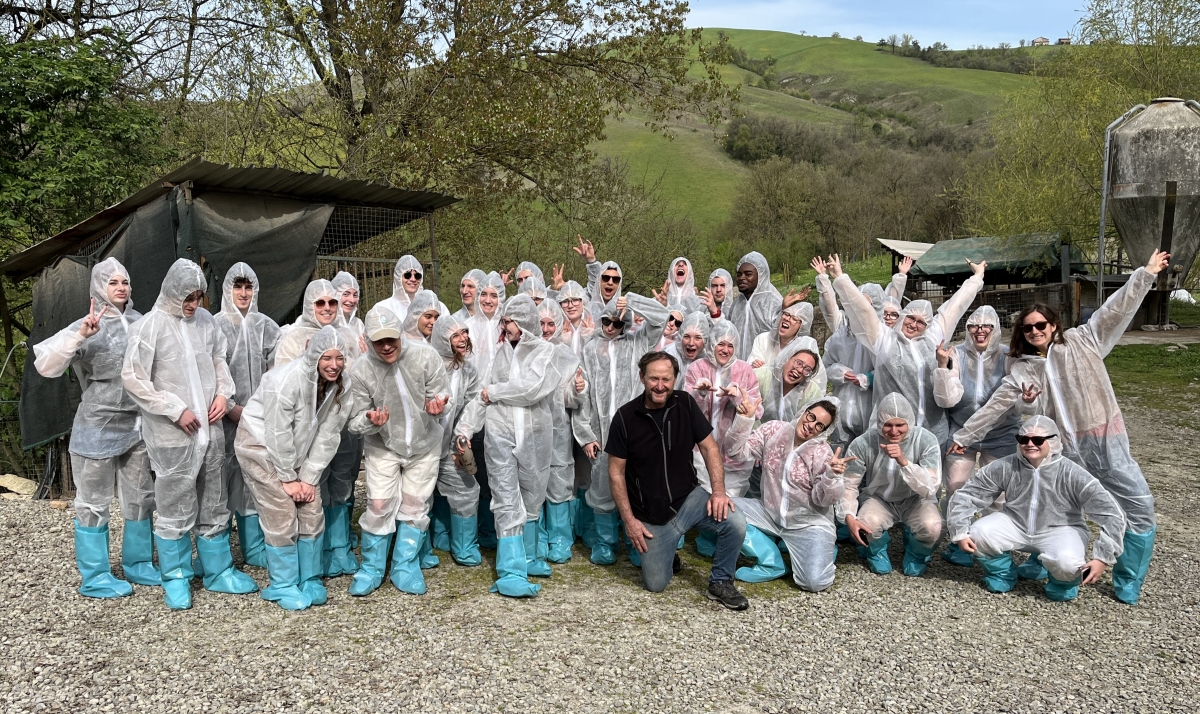
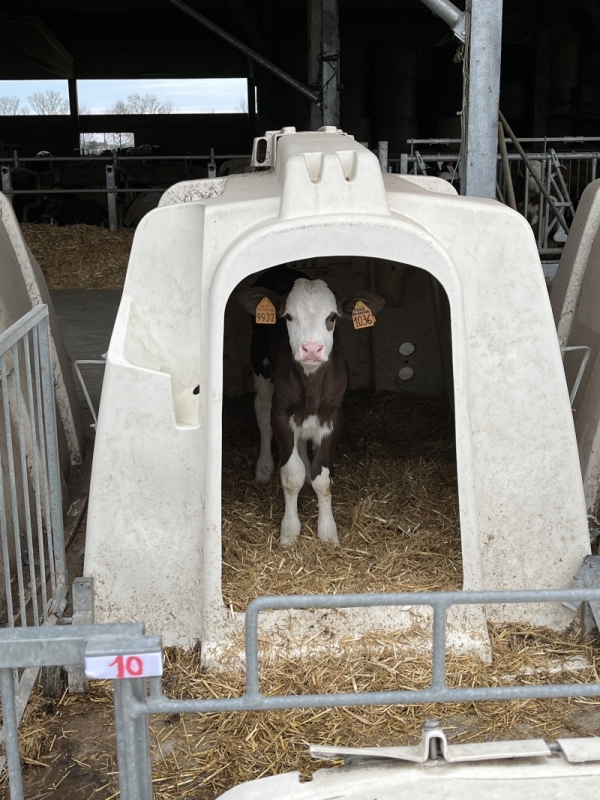
Capstone Field Trip – A three-day visit to Emilia-Romagna, exploring cheese cooperatives, sustainable farms, and balsamic vinegar producers.
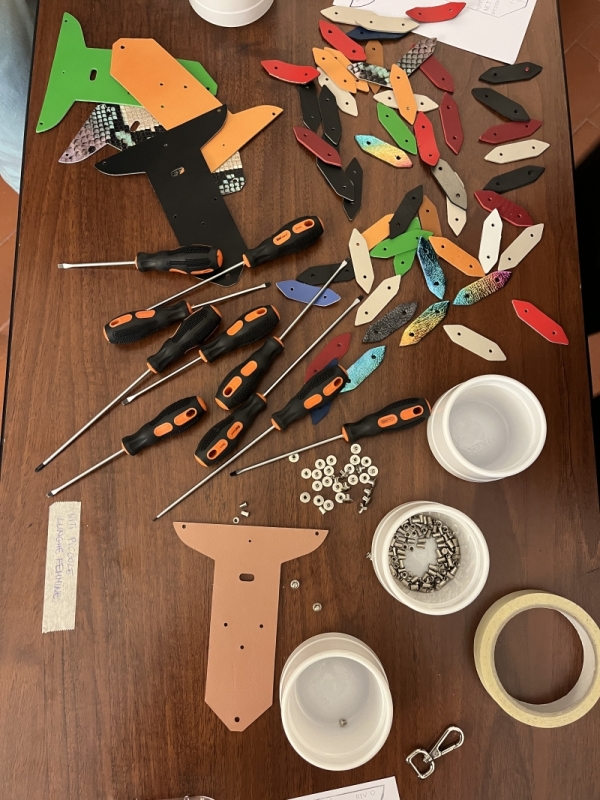
Workshops – Interactive sessions on topics like olive oil, sustainable fashion, and the Italian aperitivo tradition.
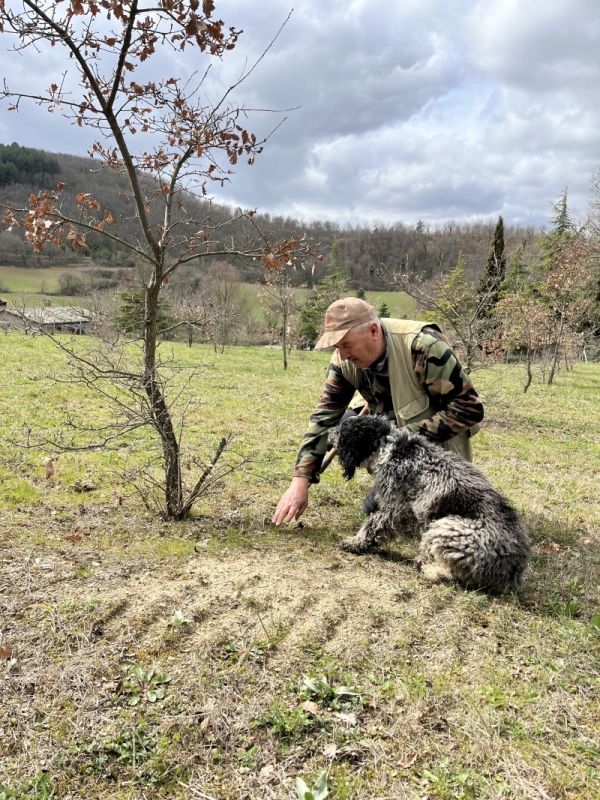
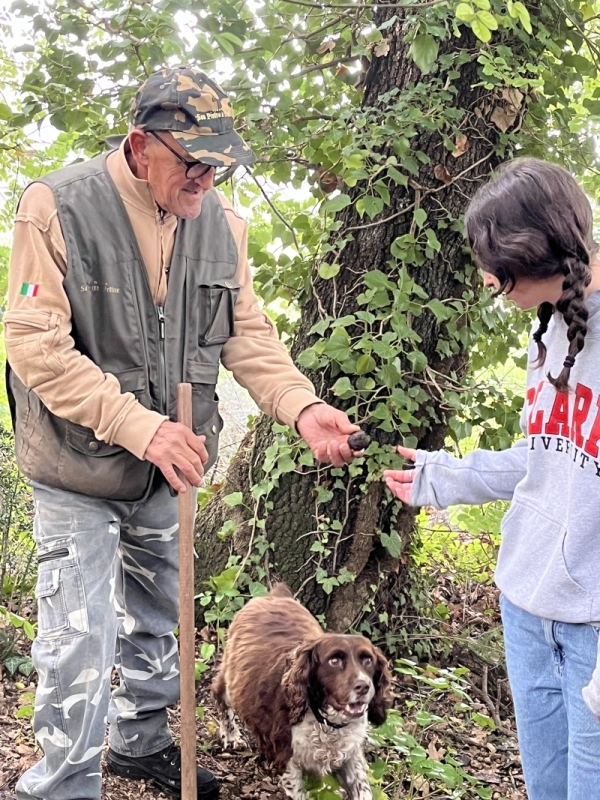
Truffle Hunting – An afternoon in the Apennine foothills with a local truffle hunter and former EU policy advisor.
Farewell Dinner – A closing celebration with professors and peers to reflect on the semester’s experiences and shared learning.
The Scholar’s Program
This unique program takes qualified students’ academic experience one step further. Not only do they participate fully in the FSE Program, which includes a rich complement of co-curricular activities, workshops and field trips, but students will also pursue an original independent research project. As always, the Scholars Program Coordinator will provide assistance and guidance in defining the research project, assigning a faculty mentor, and selecting the complimentary courses that best fit the student’s needs.
ACADEMIC GUIDANCE
Zachary Nowak, PhD—The Umbra Institute/Harvard University
Michael DiGiovine, PhD—West Chester University
Chris Fink, PhD—Ohio Wesleyan University

Biennial Food & Sustainability Conference
Since 2012, the Umbra Institute has hosted a biennial food conference in Perugia. Past keynotes have included Ken Albala, Massimo Montanari, Rachel Black, Kolleen Guy, Amy Trubek, Simone Cinotto, Molly Anderson, Alice Julier, Lisa Heldke, Michael Herzfeld, John Lang, Krishnendu Ray, and Heather Paxson.
Some of the contributions to the first conference were published as Representing Italy Through Food (Bloomsbury, 2017), edited by Peter Naccarato, Zachary Nowak, and Elgin K. Eckert. The seventh edition of the conference will be held June 2026.
Stay tuned for the Call for Papers!